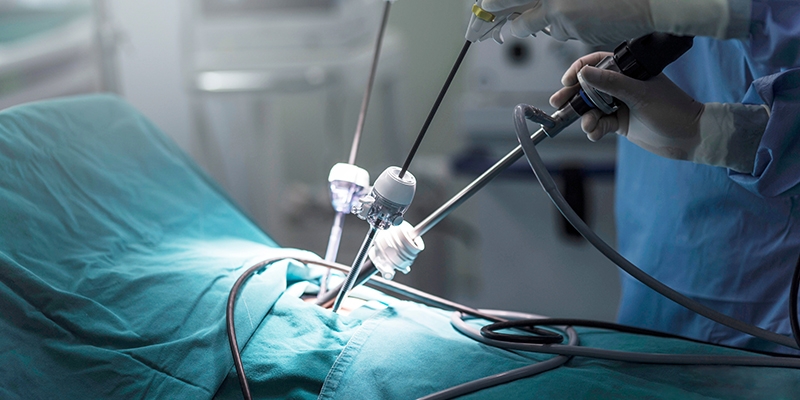
Laparoscopic surgery, often called minimally invasive surgery or keyhole surgery, is an advanced surgical technique that allows surgeons to perform procedures through small incisions instead of the large cuts required in traditional open surgery. A thin instrument called a laparoscope, equipped with a high-definition camera and light source, is inserted through a small incision, providing a clear view of the internal organs on a monitor. Specialized surgical instruments are then used to perform the procedure with precision.
Over the past few decades, laparoscopic surgery has transformed the way many abdominal and pelvic conditions are treated, offering patients a safer and more comfortable surgical experience.
The laparoscopic procedure typically involves the following steps:

Laparoscopic techniques are widely used for:
One of the most noticeable advantages of laparoscopic surgery is the use of tiny incisions. Smaller wounds result in minimal scarring and a better cosmetic outcome compared to traditional open surgery.
Because the procedure causes less tissue trauma, patients generally experience significantly less pain after surgery and often require fewer pain medications.
Most patients return to their normal daily activities much sooner than they would after open surgery. Recovery times are typically shorter, allowing patients to resume work and family responsibilities earlier.
Many laparoscopic procedures require only a brief hospital stay, and some patients may even return home on the same day, depending on the type of surgery performed.
Smaller incisions and limited exposure of internal tissues help reduce the risk of wound infections and other postoperative complications.
The precision of laparoscopic instruments and enhanced visualization often result in less bleeding during surgery and a reduced need for blood transfusions.
The magnified camera view allows surgeons to visualize anatomical structures in detail, helping them perform procedures with enhanced accuracy and control.

General Laparoscopic and Laser Surgeon. Serving patients in Toba Tek Singh, Rajana, Pirmahal, Shorkot & Lahore— with modern minimally invasive surgery, fast recovery and ethical, family-trusted care.
From routine consultations to complex laparoscopic and advance laser surgery, all solutions under one roof.
Serving patients in Toba Tek Singh, Rajana, Pirmahal, Shorkot, Gojra & Lahore— with modern minimally invasive surgery, fast recovery and ethical, family-trusted care